 An invitation to an away tournament can be exciting for a young athlete and surprisingly expensive for the adults handling the arrangements. Registration may already be paid, but transportation, hotel rooms, meals, equipment, and time away from work can create a separate bill. Parents exploring information about manageable financing alternatives should first map the full weekend rather than focusing on the tournament fee alone. A plan made before team bookings close gives families more control and helps children enjoy the event without carrying the stress of the household budget.
Treat the invitation as a schedule of costs
Write down when deposits are due, the final cancellation date, expected game times, and the distance to the venue. Distinguish mandatory costs from optional experiences such as team dinners, souvenirs, or extra sightseeing. A tournament advertised as a two-day event might require travel the previous evening or a late return on Sunday. Consider how many adults actually need to attend. Having a complete itinerary often reveals opportunities to share rides or avoid an unnecessary hotel night.
Compare accommodation as a group
A room rate is only one part of the lodging cost. Check taxes, parking, breakfast, refundable deposits, and whether a block booking requires special cancellation terms. Families with younger siblings may need different arrangements from those travelling with one athlete. Shared accommodation can reduce costs, but agree in advance on sleeping arrangements, privacy expectations, and how expenses will be divided. Do not commit to a non-refundable reservation before confirming whether the athlete is rostered and whether the team schedule is final.
Plan food for a demanding sports day
Tournament weekends can include early starts and long gaps between games. Pack appropriate snacks and water, and plan meals around the athlete’s needs rather than relying on expensive concessions for every break. Check whether accommodation has a refrigerator or a place to prepare simple food. Remember food safety during travel and warm weather. A family may spend less on accommodation only to make up the difference through repeated restaurant purchases. A meal allowance written into the budget turns a vague expense into a manageable one.
Check the equipment before leaving
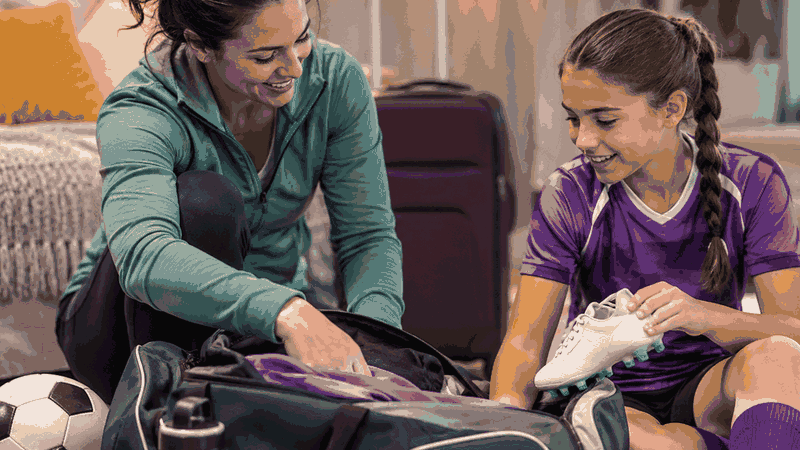
Verify the uniform, footwear, protective equipment, team documents, and weather gear several days before departure. Last-minute replacement at an unfamiliar shop can be more expensive and difficult. Ask the coach which items are essential and whether the team has spare equipment that can be borrowed. Label bags clearly and pack a small supply of practical items, such as socks or a water bottle, rather than buying duplicates on arrival. Avoid purchasing new gear simply because other families are upgrading for the tournament.
Ask about help early and discreetly
Community clubs, team fundraising, travel bursaries, and informal carpools may reduce costs, although assistance is never guaranteed. Contact the organizer privately if the expense is a barrier to participation. Families can sometimes volunteer time or share transportation instead of contributing to every optional activity. The purpose of seeking assistance is to support the athlete without placing unnecessary strain on the family. Waiting until all deposits are paid can make affordable alternatives harder to arrange.
Keep the weekend affordable after it ends
If the budget shows a genuine gap, compare changes to the itinerary and available savings before adding a new debt payment. Credit should be judged by its full repayment cost and effect on future household bills, not by whether it makes the current weekend possible. Keep receipts for shared expenses and settle them promptly with other families. After the event, record what actually cost more or less than expected. That information is valuable for the next invitation and helps create sporting memories without a recurring financial burden.
All ten complete articles are now displayed directly in this conversation, each with its matching image and the correct first-paragraph hyperlink.
For WordPress, copy the article into the visual/block editor and upload the matching PNG to the Media Library. If you use the Custom HTML editor, insert the image using its WordPress Media Library URL rather than the temporary image address in this chat.